
What ARISA did in May!
Integrating the arts and sciences for real-world impact.

May has been a month filled with reflections on creativity, culture, and community. This month, our muses took us into museums—spaces of memory, meaning, and quiet transformation. With International Museum Day marking the middle of the month, we turned to the past, present, and future of cultural spaces and their profound impact on individual and collective wellbeing.
Here is the month of May at ARISA!
1. Introducing the Four Pillars of ARISA
This May, we officially launched the four foundational pillars of the ARISA Foundation:
Research Lab – where we explore the intersection of neuroscience, mental health, and creativity.
Community Canvas – our initiative to democratize mental health and promote artistic expression through events and collaborations.
Education Hub – focused on curating learning programs, workshops, and internships that build scientific and emotional literacy.
Creative Lab Festival (CLF) – a celebration of art, science, and multisensory experiences.
Each pillar reflects our commitment to diversity, equity, inclusivity, and community engagement. The coming months will highlight activities, initiatives, and aspirations for these pillars we are envisioning at ARISA!
2. SIPS Unconference on Open Science
At this year’s Society for the Improvement of Psychological Sciences (SIPS) annual conference, ARISA co-hosted an Unconference session with Swarali Sonar on "Open Science in Low- and Middle-Income Countries." The discussion brought together educators, researchers, and practitioners to candidly reflect on barriers and opportunities in promoting open science practices in the Global South.
Key Insights:
Academic Hierarchies: Students often face resistance when supervisors lack awareness or training in open science practices. The absence of guidance can discourage young researchers, particularly when research outcomes are inconclusive or statistically insignificant.
Systemic Gaps: Institutions often lack the infrastructure and policies to support open science. This includes limited journal options, insufficient mentorship, and the prioritization of marks over inquiry-driven learning.
Grassroots Solutions: Teaching undergraduate students open science as a foundational norm could foster a culture of transparency. Introducing journal clubs, statistical literacy courses, and peer-led learning groups were identified as effective practices.
Language and Access: The dominance of English-language publications excludes a large segment of researchers and readers. There is a need to translate research, encourage multilingual publications, and explore the potential of AI to bridge linguistic divides.
Reframing the Narrative: Open science should not be seen as a Western imposition but as a community-oriented, context-sensitive movement. Participants emphasized localizing knowledge systems and reshaping perceptions within academic institutions.
This vibrant dialogue reaffirmed the need for cross-cultural integration, peer support, and systemic change to make science more inclusive and accessible worldwide. Thank you to everyone who joined this discussion!
3. Blog: Goosebumps, Galleries, and Growing Together
This month’s blog, authored by our Senior Program Coordinator Madhura Deshmukh, explores how museums impact our brains, wellbeing, and sense of belonging. From childhood nostalgia to neuroscience, the piece reflects on how cultural spaces serve as quiet sanctuaries for healing and connection.
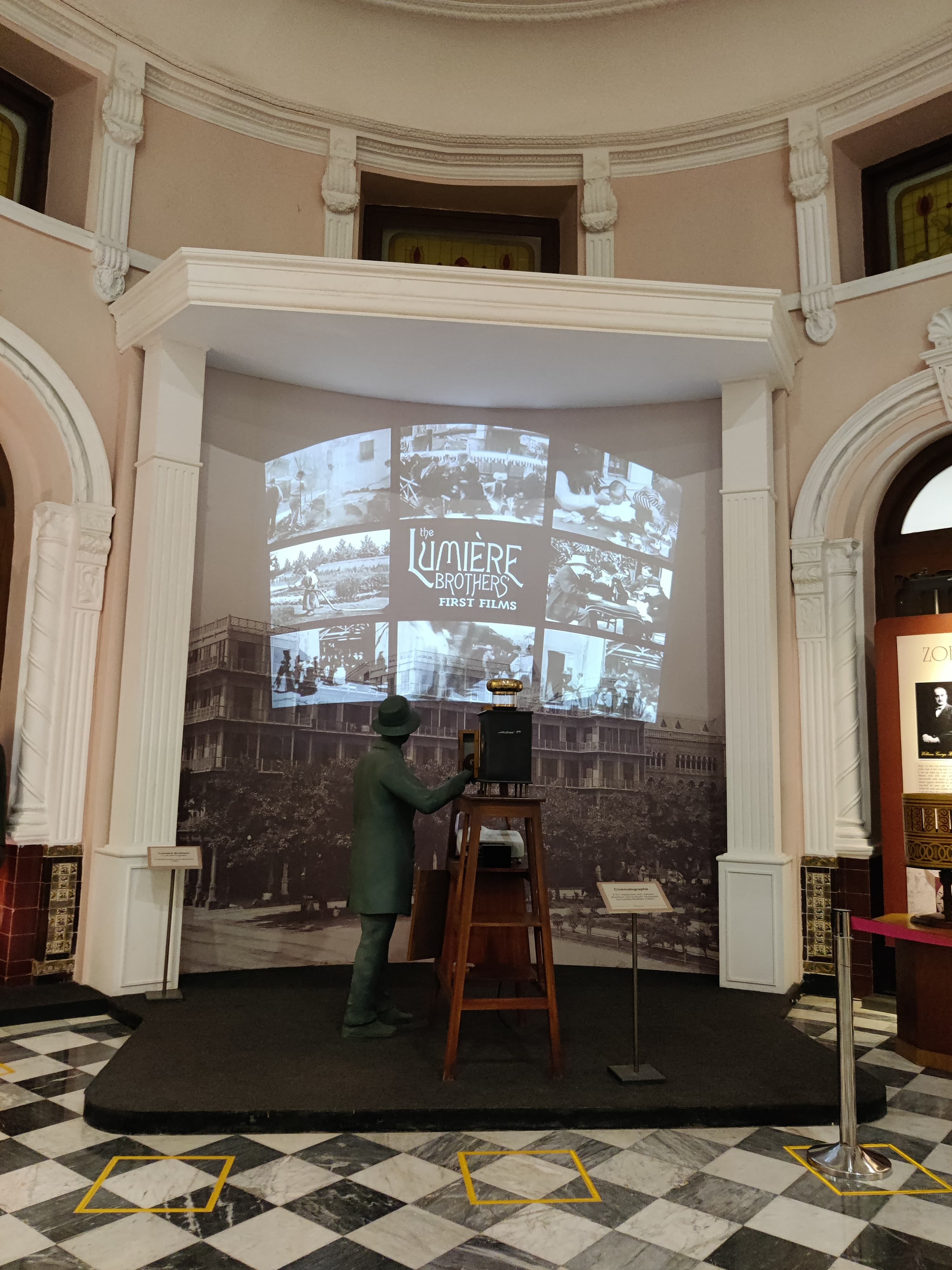
The blog explores how museums nourish individual and collective wellbeing. From rainy afternoons at Zapurza Museum to scientific findings on slow art viewing, the blog reflects on how art, memory, and social spaces nurture the brain and the soul. Read the full piece on our website or here!
4. Podcast: Curating Art and Communities
This month’s episode, hosted by Creative Coordinator Hansika Mangwani, features artist and curator Aditya Shirke from Monalisa Kalagram, Pune.
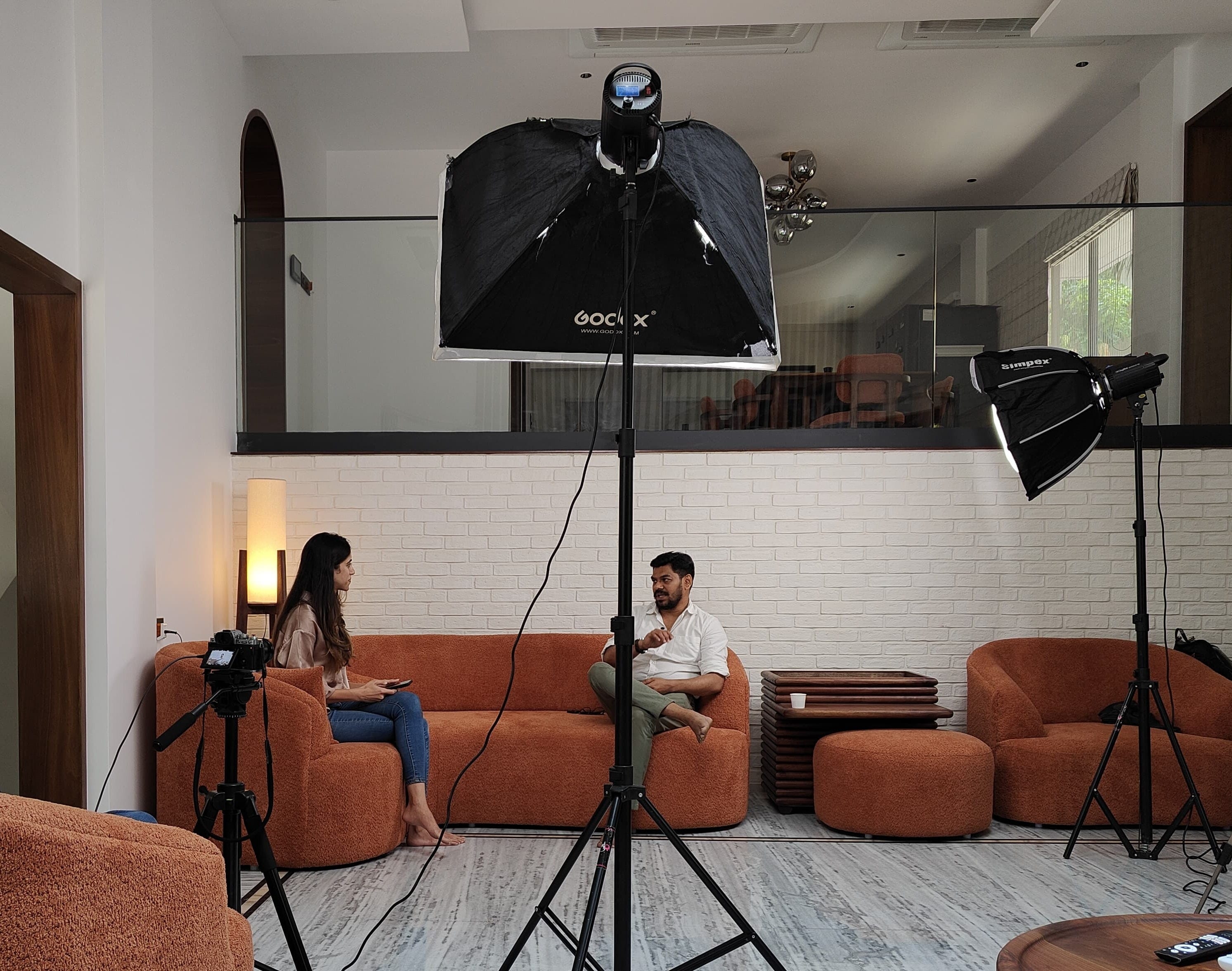
Aditya Shirke shares insights on the role of cultural spaces in shaping cities like Pune, building artist communities, and the evolving landscape of curation. The episode touches on how audiences engage with art, the economics of creativity, and the delicate balance between artistic freedom and expectations. You can catch the full episode on YouTube and Spotify!
What’s Next in Store?
Over the next few months, we will be diving deeper into each of the four pillars that shape ARISA’s mission. We begin this journey with our Research Lab.
What is research? What does open science really mean? And how does ARISA contribute to this movement?
Next month, we explore the world of open science—its origin, challenges, and the ripple effects of the scientific crises that prompted the need for transparency. Expect discussions on preprints, reproducibility, multilingual accessibility, and the innovative research projects brewing in our lab. Join us as we spotlight the people and papers behind the science!
Thank you for supporting ARISA Foundation! We are a not-for-profit research and social work organisation that bridges the arts and sciences to advance academic research in psychology, neuroscience, and neuroaesthetics, preserve tangible and intangible cultural heritage, and promote social change.
With a focus on interdisciplinary approaches, science communication, and community engagement, we aim to make the sciences and arts open, equitable, and accessible to all.
Contact us (info@arisafoundation.org) if you want to know more about our work, collaborate, work, or volunteer with us!